
Let’s define the right ingredient for your product together.
Our B2B ingredients, ways of working and process on one page. The ingredients shown are examples: for a plant or agricultural product that is not listed, we build the process and plan production. Price, lead time and minimum quantity are given with real figures at the quotation stage.
- Document
- pc·c·01
- Revision
- 2026.10
- Status
- Published
A circular economy takes a system, high technology and “a different point of view”...
Long roads begin with a first step.
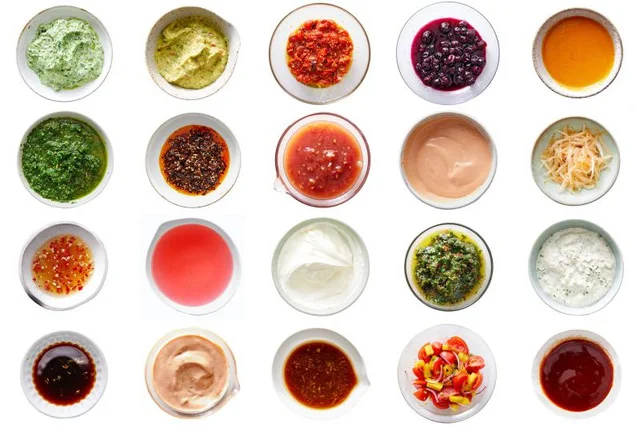
01Supercritical CO2 ingredients
Seven ingredients, no limit on raw materials.
The seven ingredients below are the ones ready today with a product sheet; they are here as examples. Supercritical CO2 can obtain ingredients from seeds, leaves, flowers, peels or a production side stream. For the raw material you bring, we build the process, confirm it with samples and analysis, and plan production.
-
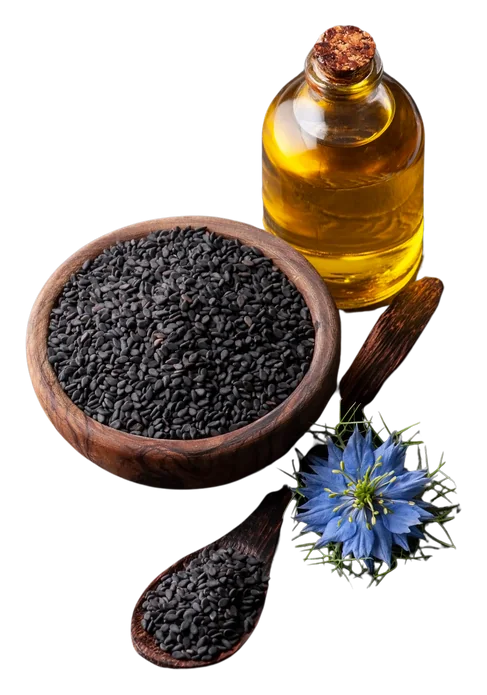
01
Black seed oil
Supercritical CO2 extraction · seed oil
Nigella sativa L. · 50 ml
Thymoquinone ≈ 4.61 % (w/w, sample analysis) · linoleic acid 50–65 %
Sheet values -
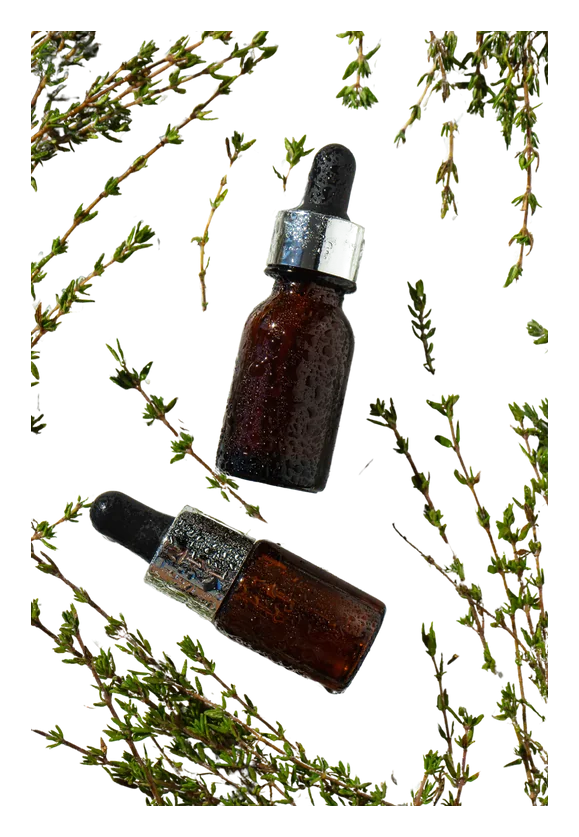
02
Supercritical thyme extract
Supercritical CO2 extraction · extract
Thymus vulgaris L. · 50 ml
Sheet values -
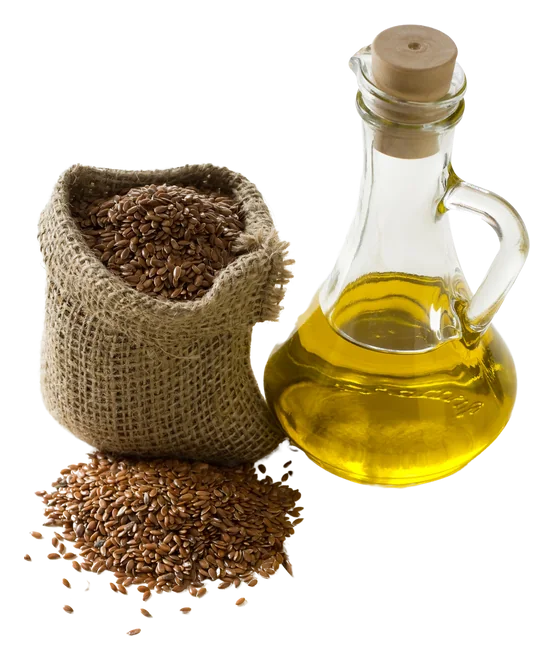
03
Flaxseed oil
Supercritical CO2 extraction · seed oil
Linum usitatissimum L. · 250 ml
Sheet values -
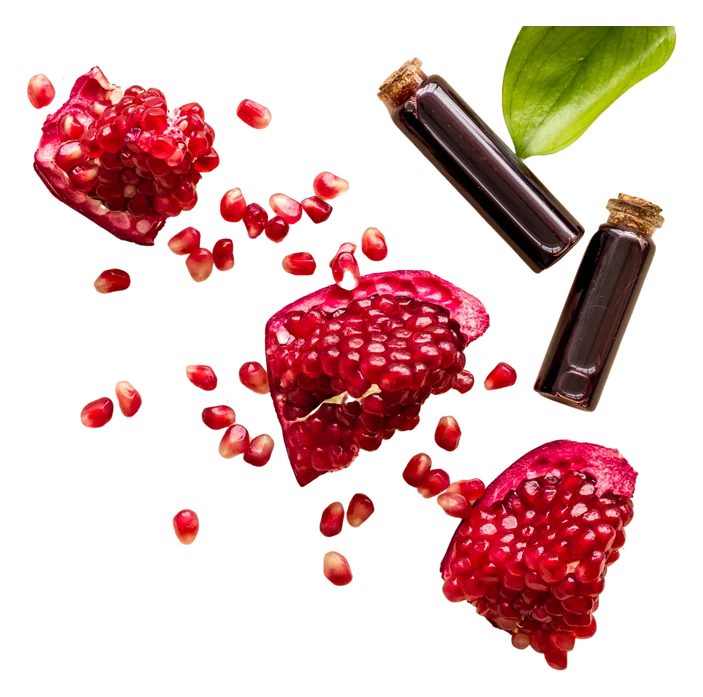
04
Pomegranate seed oil
Supercritical CO2 extraction · seed oil
Punica granatum L. · 250 ml
Sheet values -
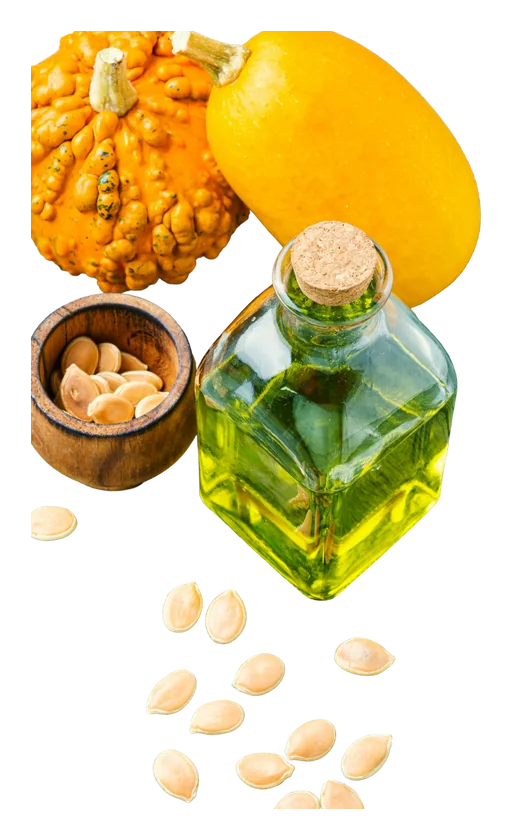
05
Pumpkin seed oil
Supercritical CO2 extraction · seed oil
Cucurbita pepo L. · 250 ml
Sheet values -
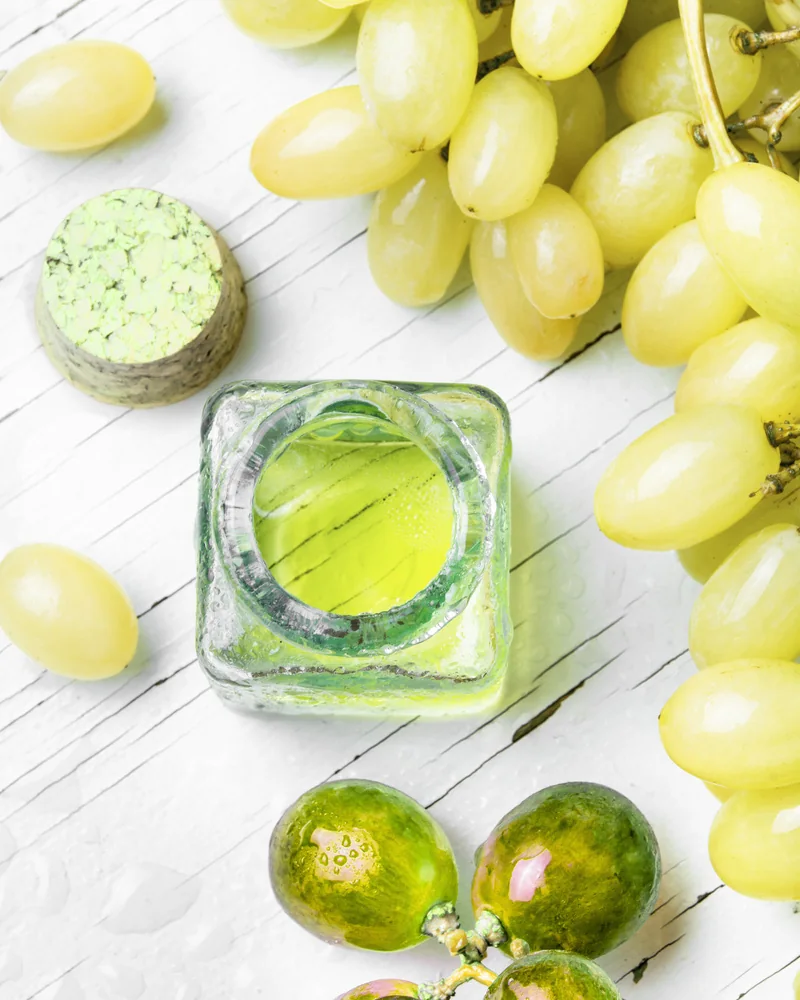
06
Grape seed oil
Supercritical CO2 extraction · seed oil
Vitis vinifera L. · 50 ml
Sheet values -
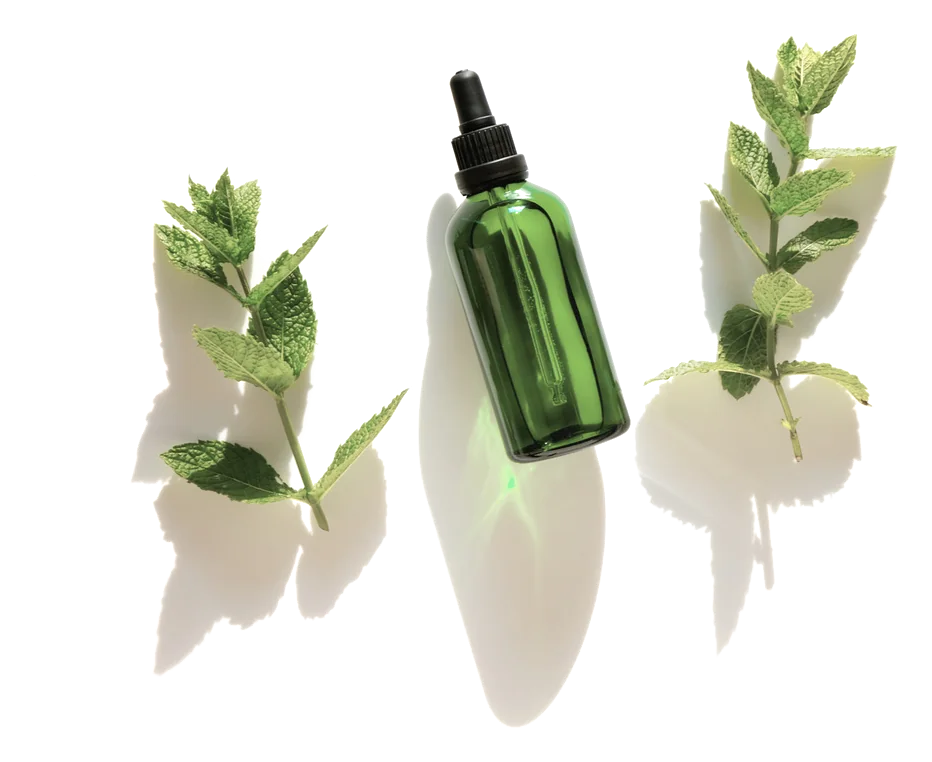
07
Supercritical mint extract
Supercritical CO2 extraction · extract
Mentha sp. · 50 ml
Sheet values +
Your raw material.
For a seed, leaf, peel or side stream that is not listed, we build the process and confirm it with samples.
Let’s talk about your raw material
Images are illustrative (purity call catalogue). Each card opens the product sheet values.
From raw material to product: what this technology can obtain.
One technology, many raw materials: examples of what supercritical CO2 can obtain, from seeds to flowers, from fruit side streams to wool. Each one is a product idea and a business opportunity.
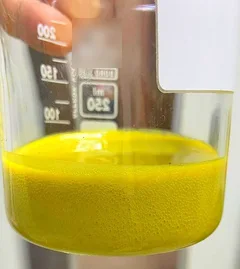
01
Thyme
Thymus vulgaris
ObtainedAromatic extract
An extract carrying the volatile compounds of leaf and flower. Pressure and temperature decide which compounds pass.
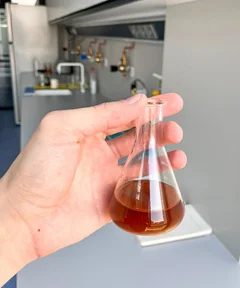
02
Pomegranate seed
Punica granatum
ObtainedSeed oil
Oil from the seeds left over from juice production: a side stream once treated as waste becomes a product.
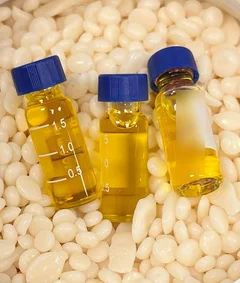
03
Everlasting flower
Helichrysum italicum
ObtainedFlower extract
A valuable flower extract sought after in cosmetic formulations.
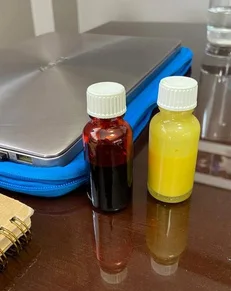
04
Chilli and fennel
Capsicum annuum · Foeniculum vulgare
ObtainedOleoresin and aromatic oil
An oleoresin carrying colour and pungency from chilli, an aromatic oil from fennel.
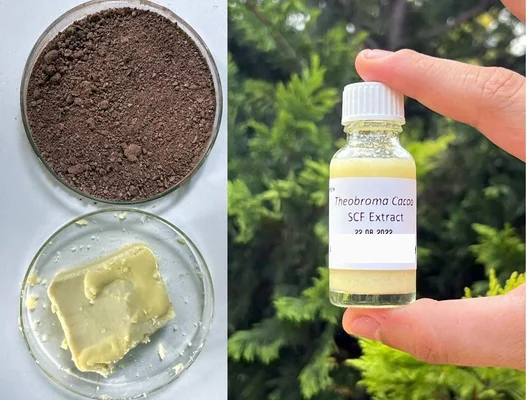
05
Cocoa
Theobroma cacao
ObtainedCocoa butter and defatted powder
The powder and the pure fat of the milled raw bean are separated: two products from one raw material.
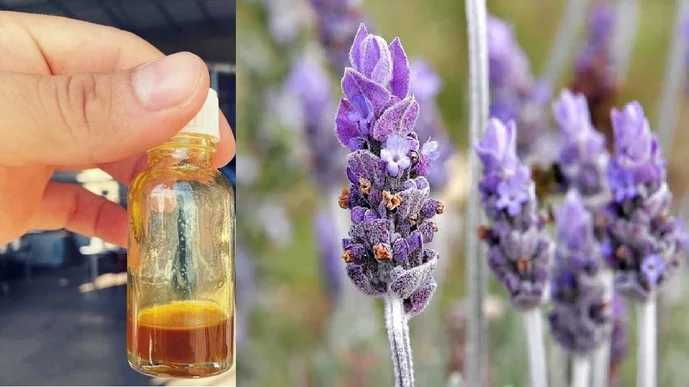
06
Lavender
Lavandula angustifolia
ObtainedEssential oil
In a sample study, the result a classic method reaches in 10 units of time was reached in 1; yield was 7% instead of 4% and 99% of the oil in the plant was recovered. Figures vary with raw material and settings.
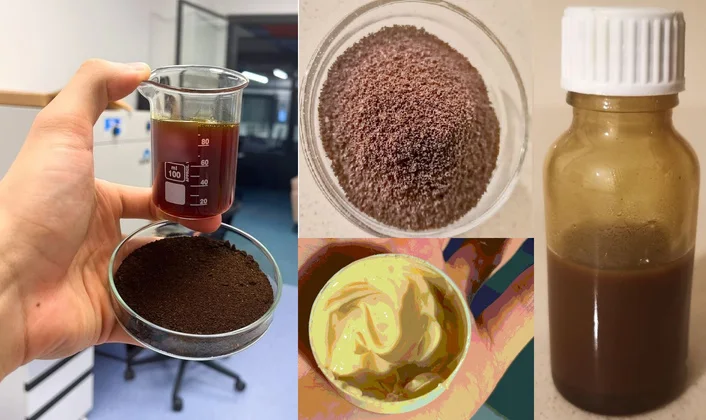
07
Spent coffee grounds
Coffea
ObtainedAroma, oil and fibre
The grounds of brewed coffee; aroma, about 15% oil (with compounds such as cafestol, kahweol, chlorogenic acid and caffeine) and a rich source of fibre.
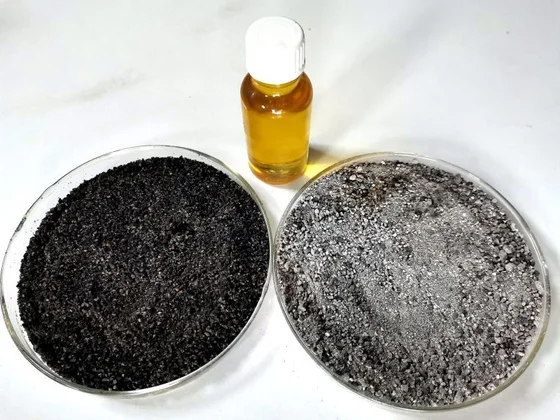
08
Black cumin
Nigella sativa
ObtainedSeed oil
Its thymoquinone can be obtained at high purity, which makes it an oil sought after in supplement and pharmaceutical research.
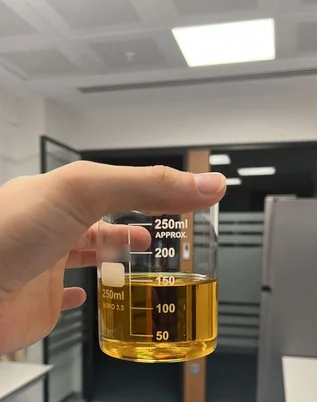
09
Flaxseed
Linum usitatissimum
ObtainedSeed oil
A rich source of omega-3 (alpha-linolenic acid).
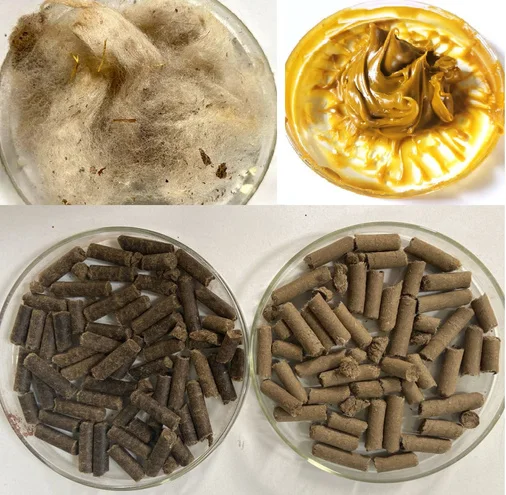
10
Sheep's wool
Lanolin
ObtainedLanolin
Wool contains about 5% lanolin; a vitamin D precursor is then obtained from the lanolin. A very different value from a by-product of livestock farming.
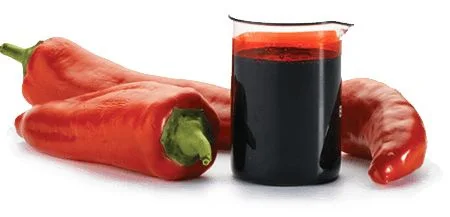
11
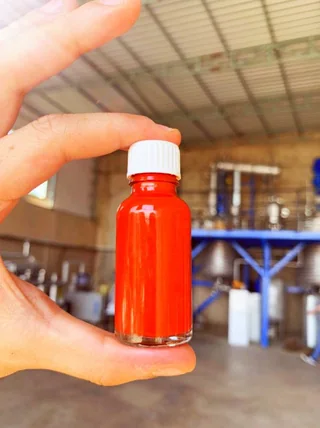
Red pepper – paprika
Capsicum annuum
ObtainedColour and flavour extract
A natural colour and flavour extract made without organic solvents, with CO2 as the extraction agent. What remains in the product is shown by analysis.
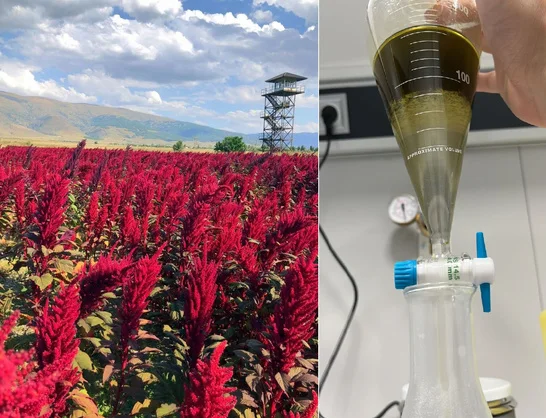
12
Amaranth
Amaranthus
ObtainedSqualene
One of the richest plant sources of squalene, which is traditionally obtained from shark liver.
13
Tomato skin
Solanum lycopersicum
ObtainedLycopene, protein, fibre
A five-product upcycling chain from the skin left over from tomato paste.
See the cycle
The examples show raw materials that can be worked with supercritical CO₂ extraction. Anything beyond the seven library products is worked per project; figures come from sample studies and vary with raw material and settings. Not a health claim. Images are illustrative.
Every ingredient is described with the same fifteen lines
- Plant
- Botanical name
- Plant part
- Product type
- Process
- Molecular distillation
- Key value
- Parameters on the sheet
- Profile range
- Batch
- Category and application
- Limitation
- Packaging
- Storage
- Document status
There is no list of health benefits. In B2B use, what an ingredient is good for is assessed in the customer's product and that product's regulations.
02Molecular distillation products
Concentrating while keeping freshness: milk and pineapple.
What can’t be done with this technology?
First of all, milks and fruit juices can be concentrated with it: a natural strawberry, aronia, apricot, apple, peach, tomato...
We can concentrate fruit without boiling it, with only a few additions and without high-temperature sterilisation, keeping the freshness of the moment it was pressed.
These concentrates are not heat-pasteurised; they are concentrated by molecular distillation, and pasteurisation can be done with supercritical CO2 at very low temperatures (validated product by product). Run these systems on renewable energy such as sun and wind, and very different stories begin to be written.
Concentrates made from products with a very short shelf life can bring big changes, and big gains, to the food sector.
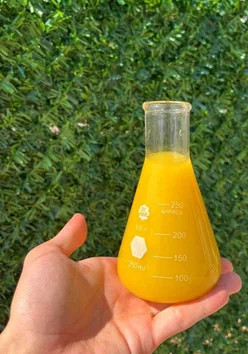
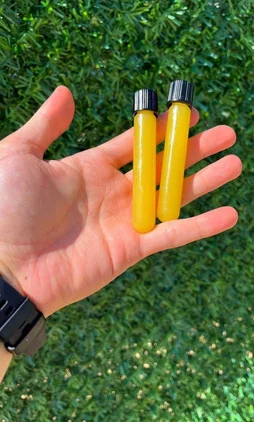
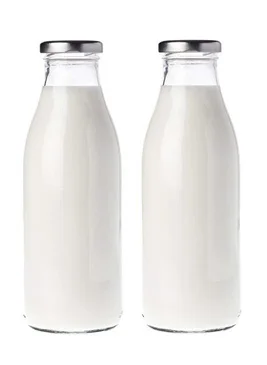
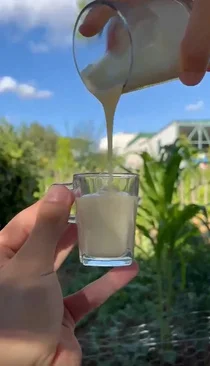
From sample studies; ratios vary with the product, raw material and settings. Food safety and shelf life are validated separately for every product.
03Ways of working
Five ways, one conversation.
- 01
purity call Ingredient
Supply of ingredients from the library.
- Scope
- Seven products: five seed oils (black seed, flaxseed, pomegranate, pumpkin and grape seed) and two extracts (thyme, mint). All are made by supercritical CO2 extraction only. The same products are also sold as consumer products.
- Output
- The product, its product sheet and analysis report; at serial production every batch with its own report.
- First call
- Which ingredient, what quantity, which documents?
- With serial production
- B2B pack sizes, minimum order and lead time will be added with serial production. At serial production
- 02
purity call Extraction
Custom extraction for your plant or target.
- Scope
- On the supercritical CO2 line of the production facility we work with: first a trial at R&D scale, then a run at production scale. Pressure, temperature and time are set for the target profile; settings are saved as a recipe.
- Output
- The extract, a process record and an analysis report.
- First call
- Source, target compound, scale?
- Raw material
- The production facility supplies the raw material and accepts it after the required checks and inspections; supply and responsibility rest with the facility. Minimum batch and trial terms are stated in the quote. Brand statement
- 03
purity call Refinement
Fractionating or refining an extract by molecular distillation.
- Scope
- With a thin film evaporator: separating volatile compounds, removing a co-solvent from the extract, splitting the extract at a target cut. It works at low temperature under high vacuum.
- Output
- Distillate and residue, a yield record and an analysis report.
- First call
- Target profile, acceptable yield?
- Facility
- The facility has the means, technology and know-how to build these machines, and the process engineering to decide which product is made to which criteria. The unit scale is chosen per project (0.25–10 m²). Brand statement
- 04
purity call Formulation
Technical support to apply the ingredient in your product.
- Scope
- It starts from sheet values and a sample: which ingredient, at what ratio, in which product type (supplement, food, cosmetic) is assessed together; compliance is read against your product's category.
- Output
- A sample, a technical note and application feedback.
- First call
- Product type, target market, regulations?
- Laboratory
- The work is done in the professional laboratory inside our partner's production facility. Brand statement
- 05
purity call Technology
Method selection, process design and turnkey facilities.
- Scope
- The supercritical CO2 system family: 5 litre R&D, 50, 100 and 500 litre production. Consulting and planning for a turnkey facility from scratch, or for production in an existing or planned facility; 0.25–10 m² for molecular distillation. Installation, on-site commissioning, training, technical support and product optimisation are part of the system.
- Output
- A method report, a scale proposal, a system quote and an installation plan.
- First call
- Goal, existing infrastructure, scale?
- Delivery
- 180 working days (5 litre R&D system: 60 days); assembly and commissioning in 45 working days (R&D system: 1 day); delivered to the customer's address. Warranty scope is stated in the quote. Brand statement
Price, lead time and minimum quantity are given with real figures at the quotation stage. The last lines are updated with serial production and quote details.
04How to buy
Five steps from first call to supply.
- 01
Technical call
30 minutes: target compound, your product, scale and the documents you need.
- Owner
- purity call technical team
- Timing
- Reply to your request within 2 working days Brand statement
- 02
Sample and sheet
The sample ships with its batch number, product sheet and sample analysis report.
- Owner
- purity call
- Timing
- Samples are charged; the fee is deducted from a subsequent order. The shipping date is confirmed in writing after the call Brand statement
- 03
Laboratory and formulation test
The sample is tested in your product, against your criteria.
- Owner
- Your R&D team, with technical support from purity call
- Timing
- Joint review within 3 working days of receiving your results Brand statement
- 04
Trial batch
A small order confirms consistency at production scale.
- Owner
- purity call
- Timing
- Quantity, price and lead time in a written quote, within 5 working days Brand statement
- 05
Supply agreement
Scheduled deliveries; every batch comes with its own analysis report.
- Owner
- Both parties
- Timing
- Delivery schedule set in the agreement Brand statement
What you can order today
- Sample
- Any of the seven products, with sheet and sample analysis report.
- Trial batch
- A small order after the sample is approved.
- Custom extraction trial
- At R&D scale, for a raw material that is not listed.
- System and facility quote
- Supercritical CO2 and molecular distillation systems.
The serial production set-up is ready. We are entering the market step by step: serial supply is planned on demand and starts with a supply agreement. Brand statement